Knee Replacement Surgery in Kollam for Severe Knee Pain and Arthritis
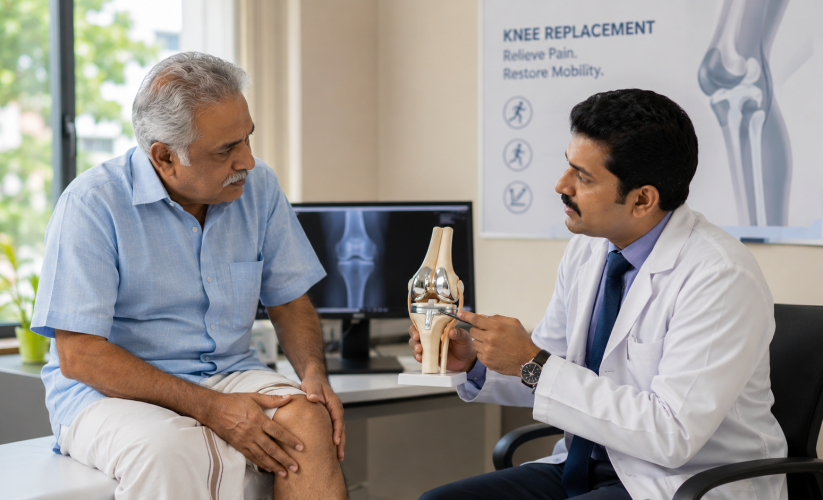
Persistent knee pain that limits everyday movement is one of the most common reasons older adults in Kerala seek specialist care and for many knee replacement surgery in Kollam eventually becomes part of the conversation. Understanding when this surgery is appropriate, and what it actually involves, can make the decision feel far less overwhelming.
Not everyone with knee pain needs surger, and that is an important starting point. This article explains what knee replacement surgery involves, the warning signs that suggest it may be time to consult a specialist, and what recovery typically looks like afterward.
Understanding Knee Replacement Surgery
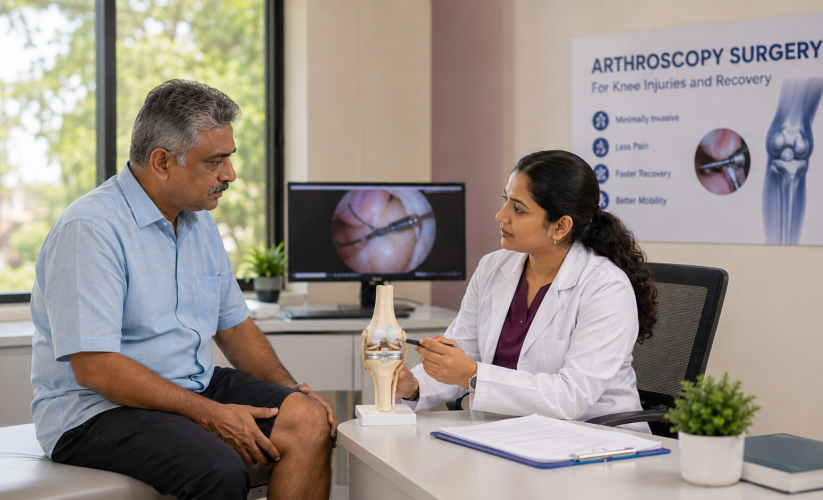
Knee replacement surgery involves removing damaged cartilage and bone from the knee joint and replacing it with an artificial implant designed to restore movement and reduce pain. It is most commonly recommended for advanced osteoarthritis or joint damage that has not responded to other treatments.
In short: knee replacement surgery is considered when the joint has worn down enough that pain and stiffness consistently interfere with daily activities, and non-surgical options no longer provide meaningful relief. Consulting Orthopaedics early, even before symptoms severely limit mobility, helps in understanding which treatment path suits your condition.
Signs You May Need Knee Replacement Surgery in Kollam
Recognising when knee pain has moved beyond what medication and lifestyle changes can manage is an important step. Common signs that patients discuss with a specialist include:
- Persistent pain that continues even at rest or during the night
- Stiffness that makes it difficult to bend or straighten the knee fully
- Visible swelling or a feeling of warmth around the joint
- A noticeable change in the shape of the knee, such as bowing
- Reduced mobility that affects walking, climbing stairs, or standing up from a chair
- Little or no improvement after physiotherapy, medication, or injections
For many patients considering knee replacement surgery in Kollam, the deciding factor is not pain alone but how much the condition is limiting independence and quality of life.
Common Causes of Severe Knee Pain and Arthritis
Osteoarthritis is the leading cause of severe knee damage, resulting from years of gradual cartilage wear. However, other conditions can also contribute, including rheumatoid arthritis, previous knee injuries, ligament damage, and, in some cases, avascular necrosis. Excess body weight places additional stress on the knee joint, which can accelerate cartilage breakdown over time. As a result, patients with a combination of age, joint injury history, and weight-related strain are often more likely to reach a point where knee replacement surgery in Kollam is discussed as an option. Managing overall health factors such as weight and blood sugar through General Medicine can also help slow the progression of joint damage.
When to Consult a Specialist
Anyone experiencing ongoing knee pain that limits daily function, especially after trying rest, medication, or physiotherapy without lasting improvement, should have the joint evaluated by a specialist. Waiting too long can sometimes lead to further joint damage or muscle weakness around the knee, which may affect recovery later on.
If knee pain has been affecting your mobility for several months, a specialist can assess the joint, review your history, and discuss whether knee replacement surgery in Kollam or another treatment approach is right for your situation.
Diagnosis and Imaging
Diagnosis typically begins with a physical examination, followed by imaging to assess the extent of joint damage. X-rays and, in some cases, further scans through Radiology help the surgical team understand exactly how much cartilage and bone have been affected before recommending a treatment plan.
Preparing for Surgery Day
Once surgery is confirmed as the right option, patients usually undergo a pre-surgical evaluation that includes blood tests and a review of overall health, since conditions such as diabetes or heart disease can affect surgical planning. As part of this process, a consultation through Anesthesiology helps determine the safest anaesthesia approach for the procedure, based on the patient’s age, health history, and the expected length of surgery.
At Matha Medical Centre, patients are guided through each of these steps before the day of surgery, so expectations around the procedure, hospital stay, and initial recovery are clear in advance.
Recovery and Physiotherapy After Knee Replacement
Recovery after knee replacement surgery in Kollam generally involves an initial hospital stay, followed by a structured rehabilitation period. Early movement, under guidance, is usually encouraged within a day or two of surgery to help prevent stiffness and support healing. Most patients continue with a physiotherapy programme for several weeks afterward to rebuild strength and restore a natural walking pattern.
Working with Physiotherapy after surgery plays a major role in how well patients regain mobility, since consistent guided exercise directly affects long-term joint function. While recovery timelines vary from person to person, many patients notice steady improvement in pain and movement over the weeks following surgery, with continued progress over the following months.
Conclusion
Deciding on knee replacement surgery in Kollam is rarely a single moment of choice. It usually follows months of managing pain through other means, and reaching out to a specialist earlier rather than later often allows for a clearer treatment plan. If ongoing knee pain has been affecting your daily life, it is worth discussing your options with the orthopaedic team at Matha Medical Centre, so a treatment plan can be built around your specific condition and recovery goals.
When you are ready to take the next step, you can Contact Us to arrange a consultation in Kollam.
Frequently Asked Questions
1. How do I know if I need knee replacement surgery?
Persistent pain, stiffness, swelling, or reduced mobility that does not improve with medication or physiotherapy are common signs. A specialist evaluation, often including imaging, helps confirm whether knee replacement surgery in Kollam is the right next step for your condition.
2. Is knee replacement surgery only for older adults?
While it is more common in older adults due to age-related joint wear, younger patients with severe arthritis, injury-related damage, or other joint conditions may also be evaluated for surgery if other treatments have not provided relief.
3. How long does recovery take after knee replacement surgery?
Recovery varies by individual, but most patients begin guided movement within a day or two of surgery and continue physiotherapy for several weeks. Noticeable improvement in pain and mobility often develops gradually over the following months.
4. What happens during the pre-surgery evaluation?
Patients typically undergo blood tests, imaging, and a review of overall health, including any existing conditions that could affect surgery. An anaesthesia consultation is also included to determine the safest approach for the procedure.
5. Can knee pain be managed without surgery?
Many patients manage knee pain through medication, weight management, and physiotherapy, especially in earlier stages. Surgery is generally considered when these options no longer provide meaningful relief and daily activities remain significantly limited.