Hip Arthritis Treatment in Kollam: When Hip Replacement Surgery May Be Needed
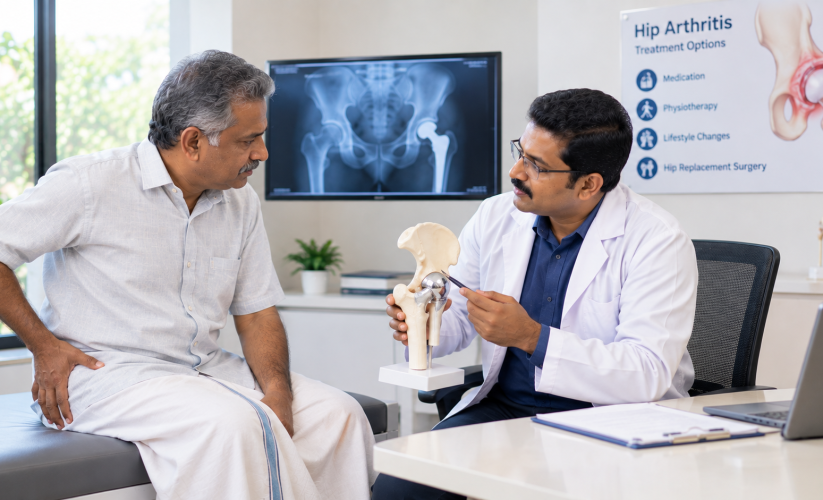
Hip pain that gradually worsens over months or years is one of the most common reasons older adults in Kerala seek an orthopaedic opinion, and hip arthritis treatment in Kollam often becomes part of that conversation once the joint has been evaluated. Understanding how this condition progresses, and when surgery becomes a realistic option, can make the decision feel far more manageable.
Not everyone with hip arthritis needs surgery right away. Many patients manage symptoms for years through medication, physiotherapy, and lifestyle changes before surgery is even discussed. This article explains what hip arthritis involves, the signs that suggest it is progressing, and when hip replacement surgery is typically considered.
Understanding Hip Arthritis
Hip arthritis develops when the cartilage cushioning the hip joint wears down over time, causing bone to rub against bone. This leads to pain, stiffness, and a gradual reduction in the joint’s range of motion. Osteoarthritis is the most common form, though rheumatoid arthritis and previous joint injury can also contribute to hip joint damage.
In short: hip arthritis is a progressive condition, and while early stages are often managed without surgery, advanced cases where pain and stiffness limit daily life are usually when hip arthritis treatment in Kollam shifts toward considering surgical options. Anyone noticing early signs can start by discussing them with Orthopaedics, where the joint can be examined and monitored before symptoms progress further.
Signs You May Need Hip Arthritis Treatment in Kollam
recognizing the signs of worsening hip arthritis helps patients seek care before the condition significantly limits mobility. Common symptoms include:
- Pain in the hip, groin, or thigh that worsens with activity
- Stiffness that is most noticeable after sitting or waking up
- A reduced range of motion when walking, bending, or climbing stairs
- A grinding or clicking sensation within the joint
- Pain that begins to interfere with sleep or daily routines
For many patients, hip arthritis treatment in Kollam is first sought when these symptoms start affecting simple daily tasks rather than just occasional discomfort.
Causes and Risk Factors for Hip Arthritis
Age-related cartilage wear is the leading cause of hip arthritis, though several other factors can accelerate joint damage. These include previous hip injuries or fractures, obesity, which places additional stress on the joint, a family history of arthritis, and repetitive strain from certain occupations or sports. As a result, patients with a combination of these risk factors are often more likely to need evaluation earlier than others. Understanding your personal risk factors is a useful first step, and it is something the team at Matha Medical Centre can help assess during a routine consultation.
When to Consult a Specialist
Anyone experiencing persistent hip pain that limits walking, working, or sleeping, especially after trying rest and over-the-counter pain relief, should have the joint evaluated rather than waiting for it to worsen. Delaying evaluation can sometimes allow the joint to deteriorate further, which may affect long-term treatment options.
If hip pain has been limiting your daily activities for several months, Orthopaedics can assess the joint and discuss whether hip arthritis treatment in Kollam should continue with conservative management or move toward surgical evaluation.
Diagnosis and Imaging
Diagnosis typically starts with a physical examination to assess joint movement, followed by imaging to evaluate the extent of cartilage loss and bone changes. X-rays are commonly used, and further scans through Radiology may be recommended in more complex cases to guide treatment planning.
Preparing for Hip Replacement Surgery
When conservative treatment no longer provides adequate relief, hip replacement surgery may be recommended. Before surgery, patients typically undergo blood tests and a review of overall health, since existing conditions can affect surgical planning. As part of this process, a consultation through Anesthesiology helps determine the safest anesthesia approach based on age, health history, and the expected length of the procedure.
Matha Medical Centre guides patients through each stage of this preparation, so expectations around the surgery, hospital stay, and initial recovery are clear well in advance.
Recovery and Physiotherapy After Hip Replacement
Recovery after hip replacement surgery generally involves an initial hospital stay followed by a structured rehabilitation period. Gentle movement is usually encouraged early on to support healing and prevent stiffness, with most patients progressing steadily over the following weeks.
Working with Physiotherapy after surgery plays a significant role in regaining strength and mobility, since consistent guided exercise directly supports long-term joint function and a more natural walking pattern.
Conclusion
Deciding on hip arthritis treatment in Kollam is rarely a single decision made overnight. It usually develops gradually, as symptoms progress and conservative options are explored first. If hip pain has been affecting your daily life, it is worth having the joint properly evaluated rather than continuing to manage it alone.
You can Contact Us to arrange a consultation with the orthopaedic team in Kollam.
According to the NHS, hip osteoarthritis is a common condition that can often be managed with a combination of lifestyle changes, physiotherapy, and medication, with surgery considered when these measures no longer provide sufficient relief.
Frequently Asked Questions
1. What are the early signs of hip arthritis?
Early signs include pain in the hip, groin, or thigh, stiffness after periods of rest, and a reduced range of motion. These symptoms often start mildly and worsen gradually, which is why early evaluation by a specialist is recommended.
2. When is hip replacement surgery recommended?
Surgery is generally considered when pain and stiffness significantly limit daily activities and conservative treatments, such as medication and physiotherapy, no longer provide adequate relief. A specialist evaluation helps determine if surgery is the right next step.
3. Is hip arthritis treatment in Kollam available without surgery?
Yes, many patients manage hip arthritis for years through physiotherapy, weight management, and medication before surgery is considered. Treatment is generally tailored to the severity of symptoms and how much they affect daily function.
4. How long does recovery take after hip replacement surgery?
Recovery varies by individual, but most patients begin guided movement soon after surgery and continue physiotherapy for several weeks. Noticeable improvement in mobility often develops gradually over the following months.
5. Can hip arthritis be prevented?
While ageing and genetic factors cannot be controlled, maintaining a healthy weight, staying active, and avoiding repetitive joint strain can help slow progression. Regular checkups allow early changes to be identified before symptoms become severe.