Rotator Cuff Repair: When Does a Shoulder Tear Need Surgery?
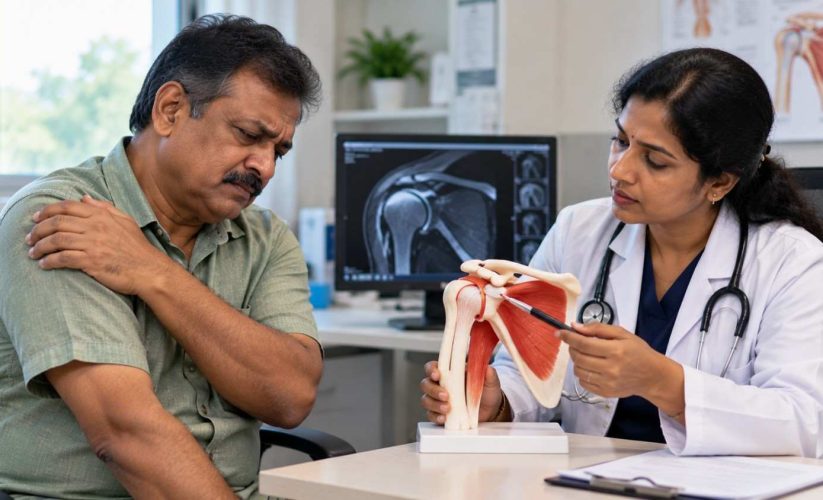
Shoulder pain that makes it difficult to lift your arm, reach overhead, get dressed, or sleep comfortably may be caused by a rotator cuff injury. Rotator cuff repair is a surgical procedure that reattaches a torn shoulder tendon to the upper arm bone when surgery is appropriate.
Not every shoulder tear needs an operation. Some people improve with activity changes, suitable pain relief and physiotherapy. Others may need a surgical opinion because of persistent pain, significant weakness or a recent injury. Understanding the treatment options can help you make an informed decision with an orthopaedic specialist.
What Is Rotator Cuff Repair?
Rotator cuff repair is an operation to reattach a torn tendon to the upper arm bone. The rotator cuff consists of four muscles and their tendons that help stabilize the shoulder and allow you to lift and rotate your arm.
A tear may develop gradually as tendons change with age and repeated use. It can also happen suddenly after a fall, lifting a heavy object or another injury. A partial tear affects some tendon fibres, while a full-thickness tear extends through the tendon.
Quick answer: Surgery may be considered when shoulder pain or weakness persists despite suitable nonsurgical treatment, when a recent injury causes a significant tear, or when the injury seriously limits arm function. The decision depends on symptoms, examination findings, imaging and individual activity needs. A scan alone does not determine whether surgery is necessary.
Patients can discuss an orthopaedic assessment and treatment to understand the available options for a shoulder injury.
What Are the Signs of a Rotator Cuff Tear?
A rotator cuff tear can cause pain when lifting or lowering the arm, weakness, difficulty reaching behind the back, and discomfort that becomes worse at night. Some people struggle with overhead tasks, dressing or sleeping on the affected side.
Symptoms vary with the tear’s location and severity. A tear can also be present without causing major symptoms, particularly when it develops gradually. Shoulder pain alone cannot confirm a rotator cuff injury because other shoulder conditions can cause similar discomfort.
Seek prompt medical assessment if pain and weakness begin after a fall or sudden injury. If you cannot raise your arm normally after an accident, arrange an urgent evaluation rather than trying to push through the pain.
When Does a Rotator Cuff Tear Need Surgery?
An orthopaedic specialist may consider rotator cuff repair when a tear causes persistent pain or weakness that interferes with everyday activities, particularly when appropriate nonsurgical treatment has not helped enough. Surgery may also be considered for a substantial tear caused by a recent injury.
A surgical opinion may be appropriate in these situations:
- Persistent symptoms: Pain or weakness continues despite an appropriate treatment and rehabilitation plan.
- Significant loss of function: Shoulder weakness makes everyday tasks or required work activities difficult.
- A recent traumatic tear: A fall or sudden injury causes a tear that may benefit from timely assessment.
- High physical demands: The person regularly performs overhead work or sports and has difficulty returning to those activities.
These are reasons to discuss surgery, not automatic indications for an operation. The specialist also considers tendon quality, tear size, general health, age and personal goals. Some people manage their symptoms without surgery, while others may benefit from repair.
Can a Rotator Cuff Tear Heal Without Surgery?
Many rotator cuff tears can be managed without an operation. Treatment may include reducing activities that aggravate the shoulder, suitable pain relief and a supervised exercise programme. Physiotherapy can improve movement and strengthen the muscles that support the shoulder.
Symptoms may improve even if the tendon does not fully heal. The right approach depends on the tear, pain, weakness and effect on daily activities. Avoid strenuous shoulder exercises without guidance, especially after a recent injury.
When rehabilitation is appropriate, a tailored physiotherapy programme may help improve shoulder function before or after surgery.
How Is a Rotator Cuff Tear Diagnosed?
Diagnosis usually begins with a medical history and physical examination. The clinician checks shoulder movement, strength, tenderness and how symptoms change during specific movements.
An X-ray can help identify bone problems, but it does not show the rotator cuff tendons clearly. Ultrasound or magnetic resonance imaging, commonly called MRI, may be used to assess the tendons and the extent of a suspected tear. These investigations can be considered alongside a clinical assessment and, where appropriate, diagnostic imaging services.
Imaging findings need to be interpreted alongside symptoms and examination results. A tear seen on a scan does not automatically mean surgery is required. The findings help the specialist explain the treatment choices and their likely benefits and limitations.
What Happens During Surgery and Recovery?
Many repairs are performed using arthroscopy, a technique that uses a small camera and instruments inserted through small incisions. The surgeon examines the shoulder and reattaches the torn tendon to the bone. The exact procedure depends on the tear and any other shoulder problems.
Recovery usually progresses through several stages:
- Protection: A sling may be used to protect the repair while the tendon starts healing.
- Restoring movement: Guided exercises help regain movement according to the surgeon’s instructions.
- Strengthening: Exercises gradually build strength when the repair is ready for more activity.
- Returning to activities: Work, lifting and sports are resumed according to clinical progress and medical advice.
Recovery often takes several months, and the timeline varies. Potential risks include infection, stiffness, nerve injury and another tendon tear. Returning to lifting or overhead activities too early can put stress on the repair. Following the rehabilitation plan is important. The American Academy of Orthopaedic Surgeons‘ guidance on rotator cuff tears explains surgical and nonsurgical treatment options.
Where Can Patients in Kollam Seek Shoulder Care?
Persistent shoulder pain or weakness deserves assessment, especially after an injury or when it interferes with everyday tasks. The orthopaedics department at Matha Medical Centre lists care for bone and joint conditions, including shoulder-related procedures. A clinician can assess your symptoms and discuss options suitable for your condition.
Conclusion
A rotator cuff tear does not always require surgery. Rotator cuff repair may be suitable for selected patients with ongoing pain, significant weakness or certain acute injuries, while others may improve with nonsurgical care. If shoulder symptoms limit daily activities or follow a recent injury, seek an orthopaedic assessment to understand the cause and available treatments. For appointment enquiries, the hospital’s Contact Us page provides a way to get in touch.
Frequently Asked Questions
1. How do I know if my rotator cuff tear needs surgery?
Surgery may be considered when pain or weakness continues despite appropriate nonsurgical treatment, when a recent injury causes a significant tear, or when shoulder function is severely limited. An orthopaedic specialist considers your examination, imaging, health and activity needs before recommending an individual treatment plan.
2. Can a rotator cuff tear heal without surgery?
Some people improve with activity changes, suitable pain relief and physiotherapy. However, the tendon may not fully heal on its own. Whether nonsurgical care is appropriate depends on the tear, symptoms, strength and daily needs. A clinical assessment can help determine the safest approach.
3. Is rotator cuff repair performed through keyhole surgery?
Many repairs use arthroscopy, which involves a small camera and instruments inserted through small incisions. The best approach depends on the tear’s size, tendon quality and other shoulder problems. Your surgeon can explain the proposed procedure, expected benefits and risks before treatment.
4. How long does recovery take after rotator cuff surgery?
Recovery commonly takes several months, although the timeline varies with the injury and procedure. A sling may be needed initially, followed by supervised rehabilitation. Returning to work, lifting or sports depends on tendon healing and clinical progress, so follow your surgeon’s advice rather than a fixed timetable.
5. What are the alternatives to rotator cuff repair?
Alternatives may include changing aggravating activities, appropriate pain relief and physiotherapy to improve movement and strengthen supporting muscles. These approaches can improve function even when the tendon does not fully heal. A clinician can help decide whether nonsurgical care is suitable or whether a surgical opinion is warranted.