ACL Injury Treatment in Kollam: When Is ACL Reconstruction Needed
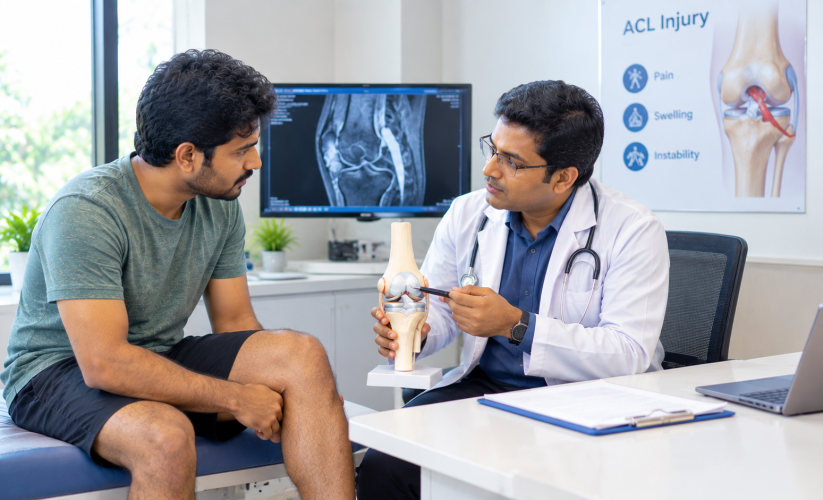
Sudden knee injuries during sports, sharp pivoting movements, or awkward landings are among the most common reasons patients seek ACL injury treatment in Kollam. The anterior cruciate ligament, or ACL, is one of the key stabilising ligaments in the knee, and injuring it can range from a mild sprain to a complete tear requiring surgical repair.
Not every ACL injury needs reconstruction surgery. This article explains what an ACL injury involves, the signs that suggest it may need specialist attention, and when reconstruction is typically recommended.
Understanding ACL Injuries
The ACL connects the thigh bone to the shin bone and helps stabilise the knee during twisting or pivoting movements. Injuries to this ligament often occur during sports that involve sudden direction changes, jumping, or landing awkwardly, though they can also happen from direct impact.
In short: an ACL injury can range from a partial sprain that heals with rest and rehabilitation to a complete tear that affects knee stability and often requires surgical reconstruction. Anyone unsure which category their injury falls into can have the joint assessed through Orthopaedics before deciding on a treatment path.
Signs You May Need ACL Injury Treatment in Kollam
Recognising the signs of an ACL injury early helps guide the right next steps. Common symptoms include:
- A popping sound or sensation at the time of injury
- Rapid swelling within the first few hours
- Instability or a feeling that the knee may give way
- Pain when bearing weight on the affected leg
- Reduced range of motion in the days following the injury
For many patients, ACL injury treatment in Kollam begins with an initial assessment shortly after the injury, since early evaluation helps determine whether rest and rehabilitation are sufficient or whether the ligament damage is more significant.
Causes and Risk Factors for ACL Injuries
ACL injuries are common in sports involving sudden stops, jumps, or changes in direction, such as football, basketball, and badminton. Weak thigh and hamstring muscles, poor landing technique, and previous knee injuries can all increase the likelihood of an ACL tear. In addition, fatigue during extended physical activity often reduces muscle control around the joint, which can make an awkward movement more likely to result in injury. Understanding your personal risk factors is a useful step, and the team at Matha Medical Centre can help assess this during a routine sports injury consultation.
When to Consult a Specialist
Persistent swelling, ongoing instability, or difficulty returning to normal activity after a knee injury are all reasons to seek a specialist opinion rather than waiting for symptoms to resolve on their own. Waiting too long can sometimes lead to further joint damage, particularly if the knee continues to give way during daily activities.
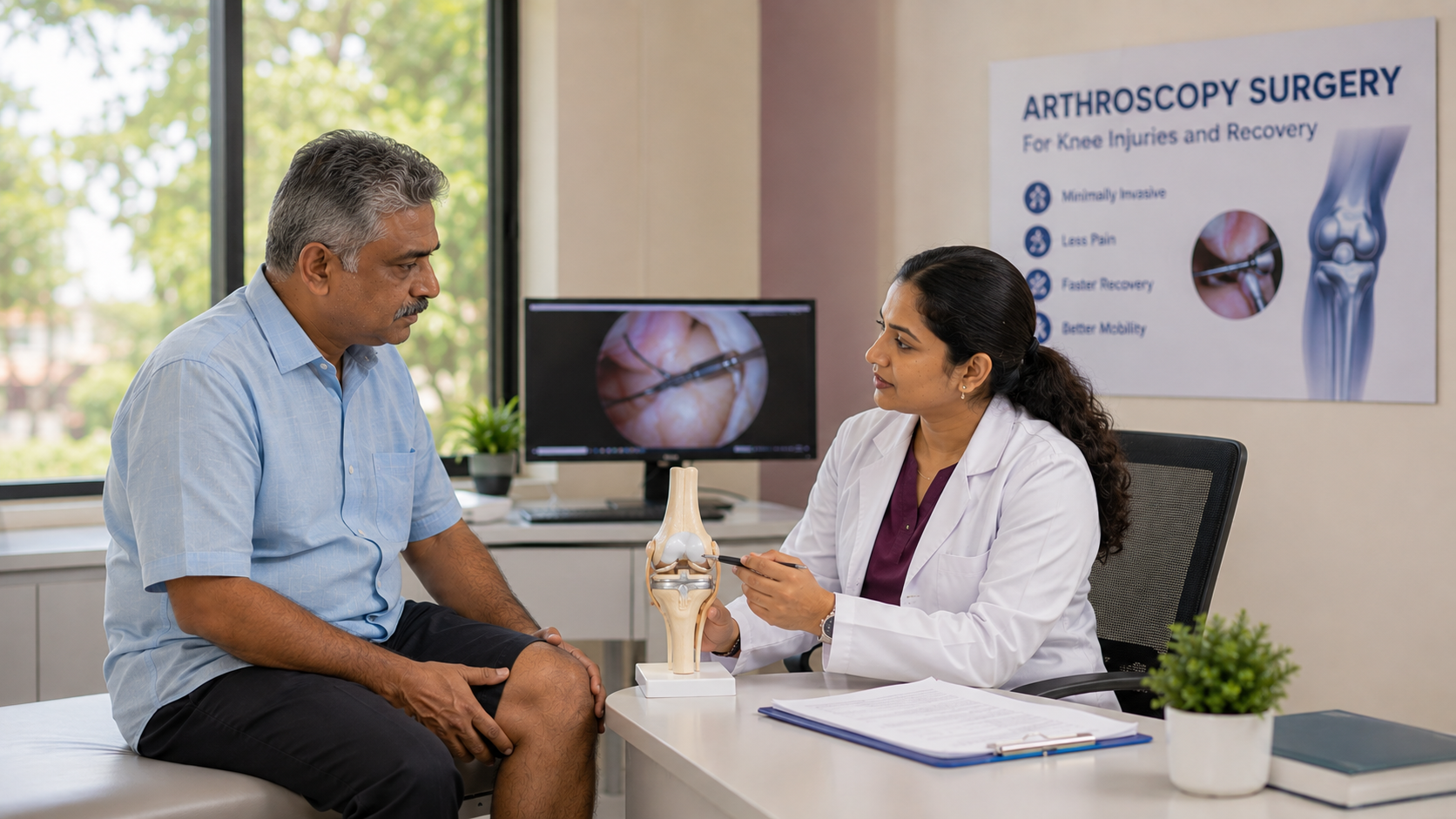
If you have experienced a knee injury with these symptoms, Orthopaedics can evaluate the extent of the damage and discuss whether ACL injury treatment in Kollam should proceed with rehabilitation alone or move toward reconstruction surgery.
Diagnosis and Imaging
Diagnosis typically starts with a physical examination to test knee stability, followed by imaging to confirm the extent of ligament damage. An MRI is commonly used to assess soft tissue injuries in detail, and scans through Radiology help the surgical team understand exactly which structures are affected before recommending a treatment plan.
Preparing for ACL Reconstruction Surgery
When reconstruction surgery is recommended, patients typically undergo pre-surgical evaluation, including blood tests and a review of overall health. As part of this process, a consultation through Anesthesiology helps determine the most suitable anaesthesia approach for the procedure, based on the patient’s age, health history, and the expected length of surgery.
Matha Medical Centre guides patients through each stage of this preparation, so expectations around the surgery, hospital stay, and initial recovery are clear well in advance.
Recovery and Physiotherapy After ACL Reconstruction
Recovery after ACL reconstruction is a gradual process that typically spans several months, with structured rehabilitation playing a central role throughout. Early movement is usually encouraged soon after surgery to prevent stiffness, followed by progressive strengthening exercises as healing continues.
Working with Physiotherapy after surgery is essential for regaining strength, stability, and confidence in the knee, since a consistent, guided rehabilitation programme directly affects how well the joint performs during a return to sports or physical activity.
Conclusion
Deciding on ACL injury treatment in Kollam usually follows an initial period of assessment and, in many cases, a trial of rehabilitation before surgery is considered. If you are dealing with ongoing knee instability or swelling after an injury, it is worth having the joint properly evaluated rather than continuing to manage it without a clear diagnosis.
You can Contact Us to arrange a consultation with the orthopaedic team in Kollam.
According to the NHS, most ACL injuries require a combination of assessment, rehabilitation, and, in more significant cases, surgical reconstruction to restore full knee function.
Frequently Asked Questions
1. How do I know if I have an ACL injury?
Common signs include a popping sensation at the time of injury, rapid swelling, knee instability, and difficulty bearing weight. A specialist evaluation, often including an MRI, helps confirm the diagnosis and the extent of ligament damage.
2. Is surgery always needed for an ACL injury?
Not always. Some ACL injuries, particularly partial tears, can be managed with rehabilitation and activity modification. More significant tears, especially in active individuals, often require surgical reconstruction to restore knee stability.
3. What does ACL injury treatment in Kollam typically involve?
Treatment usually begins with a physical examination and imaging to assess the injury, followed by either a structured rehabilitation programme or surgical reconstruction, depending on the severity of the tear and the patient’s activity level.
4. How long does recovery take after ACL reconstruction surgery?
Recovery is gradual and often takes several months, with physiotherapy playing a central role throughout. Return to sports or high-demand activity typically requires medical clearance based on strength and stability testing.
5. Can an ACL injury heal without surgery?
Some partial ACL injuries can improve with rest, physiotherapy, and activity modification, particularly in less active individuals. A specialist evaluation helps determine whether non-surgical management is appropriate or whether reconstruction is advisable.